
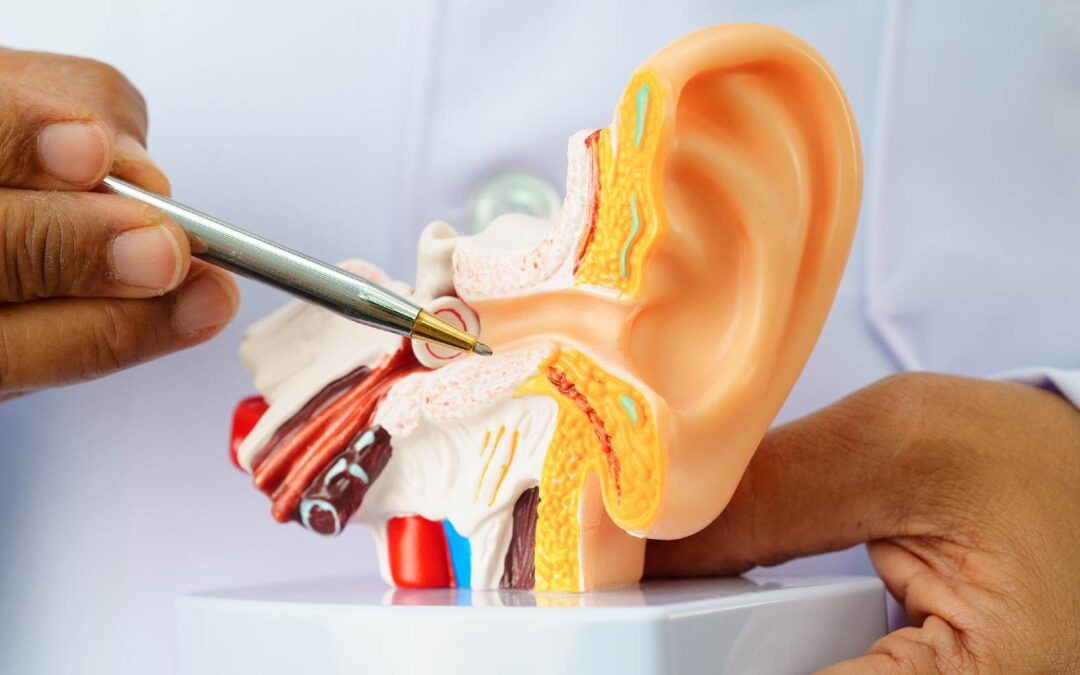
The process of hearing is a fascinating and intricate journey that starts when sound enters our ears and ends when our brain processes it into meaningful information. Our ears are incredible organs, working harmoniously to interpret sounds from our environment, helping us navigate daily life. Understanding how hearing works is crucial to understanding the importance of preserving and caring for our hearing health.
-
Sound Transfers into the Ear Canal
When sound is made, it creates vibrations in the air. These vibrations travel into our ears and pass through the outer ear, entering the ear canal. The ear canal acts as a pathway, guiding the sound to the eardrum, a thin membrane that responds to these vibrations. The sound is then directed deeper into the ear, setting off a complex chain of events.
-
The Eardrum Vibrates
When sound waves hit the eardrum, it begins to vibrate. The eardrum acts as the first step in turning sound vibrations into a form that can be processed by the brain. The different pitches of sound cause the eardrum to vibrate at different frequencies. High-pitched sounds cause fast vibrations, while low-pitched sounds result in slower vibrations.
-
Sound Vibrations Move Through the Ossicles
After the eardrum vibrates, the sound waves are transferred to three small bones in the middle ear called the ossicles (the malleus, incus, and stapes). These bones are the smallest in the human body, yet they play a crucial role in amplifying the sound vibrations and transmitting them to the inner ear. The ossicles act like levers, increasing the vibrations’ strength before they reach the cochlea.
-
The Vibrations Move Through the Cochlea’s Fluid
The vibrations then enter the cochlea, a spiral-shaped, fluid-filled structure in the inner ear. The cochlea is responsible for converting the mechanical vibrations into electrical signals that the brain can understand. As the sound vibrations travel through the fluid in the cochlea, they create waves that move the fluid within, much like waves in the ocean. This movement is key to the next step of hearing.
-
The Hair Cells Pick Up Neural Signals
Inside the cochlea are thousands of tiny hair cells that function as sensors. These cells move in response to the fluid waves, and when they do, they generate electrical signals that are picked up by the auditory nerve. The cochlea is specially designed so that hair cells at one end pick up low-pitched sounds, while hair cells at the other end detect high-pitched sounds. This precise organisation allows us to distinguish between different sound frequencies.
-
The Auditory Nerve Transmits Signals to the Brain
The auditory nerve transmits the electrical signals generated by the hair cells to the brain, where they are processed and interpreted. The brain decodes these signals, allowing us to recognise and understand sounds, whether it’s the voice of a loved one, a piece of music, or the sound of traffic. This is where we actually “hear” — our brain is the organ that makes sense of the incoming data.
The Remarkable Process of Hearing
The hearing process is truly remarkable. It allows us to experience the full range of sound in our environment, from subtle whispers to loud music. The brain’s ability to recognise and store sound patterns makes it possible for us to differentiate familiar voices from unfamiliar ones, and to notice essential environmental sounds that warn us of danger.
Hearing plays an integral part in how we communicate, connect, and experience the world. It also plays a critical role in maintaining our balance, as the cochlea is part of the vestibular system, which helps regulate our sense of spatial orientation.
What Causes Hearing Loss?
Hearing loss can occur when any part of this intricate process is disrupted. It may be due to damage in the ear, auditory nerve, or the brain’s processing centres. Common causes of hearing loss include:
- Aging (Presbycusis): Natural age-related changes to the structures in the ear, especially the cochlea, can lead to gradual hearing loss.
- Noise Exposure: Prolonged exposure to loud sounds can damage the hair cells in the cochlea, leading to permanent hearing loss.
- Infections or Illnesses: Ear infections, viral diseases, or medical conditions can affect hearing, especially in the middle or inner ear.
- Head Trauma: Injuries to the head can affect the ear or auditory nerve, leading to hearing impairment.
- Genetics: Some types of hearing loss are hereditary and may develop over time or at birth.
What to Do When You Experience Hearing Problems?
If you suspect any issues with your hearing, it’s important to act immediately. Early intervention can help prevent further damage and improve your quality of life. Here are some steps to take if you notice changes in your hearing:
- Schedule a Hearing Test: Visit a professional audiologist, like Strauss Audiology, for a comprehensive hearing evaluation. This test will help determine the cause and severity of your hearing issues.
- Protect Your Hearing: If you are frequently exposed to loud noises, wear ear protection like earplugs or earmuffs.
- Address Health Concerns: Certain medical conditions can contribute to hearing loss. It’s important to address any underlying health issues that may be affecting your hearing.
FAQs About Hearing and the Process of Hearing
- Can hearing loss be prevented? Yes, hearing loss can be prevented by avoiding prolonged exposure to loud noises, using ear protection, and maintaining overall ear health. Regular hearing tests can help detect early signs of hearing damage.
- How do I know if I have hearing loss? Signs of hearing loss include difficulty understanding speech, asking people to repeat themselves, turning up the volume on the TV or radio, or feeling like others are mumbling. If you notice these symptoms, it’s a good idea to schedule a hearing test.
- Is hearing loss permanent? Hearing loss can be permanent, especially if caused by prolonged noise exposure or aging. However, in some cases, hearing loss can be treated or managed with hearing aids, surgery, or other interventions.
- How often should I get my hearing checked? It’s recommended to have a hearing test every one to two years, especially if you’re over 50 or have been exposed to loud environments. Regular tests can help detect early signs of hearing loss.
Recent Comments